

Adventure tourism is entering its strongest growth phase in history. The global adventure tourism market is projected to rise from 324.9 billion US dollars in 2022 to nearly 2 trillion US dollars by 2032, growing at an annual rate of more than 19 percent. As travelers shift away from saturated, overcrowded destinations, a new landscape of emerging markets is rising to the surface. These places combine natural beauty, cultural depth, and strong growth trajectories, yet remain underdeveloped from an adventure infrastructure perspective. For developers, investors, and operators, these regions offer genuine opportunity zones for next-generation adventure tourism.
Tourism recovery has also accelerated this shift. International arrival data shows that several previously low-profile destinations are now among the fastest growing in the world. Regions such as Albania, El Salvador, Saudi Arabia, and parts of East Africa have experienced significant increases in visitor numbers. Industry outlooks identify the Middle East as one of the fastest growing tourism regions globally, supported by ambitious national strategies and large-scale investment. Combined with consumer trends such as the rising popularity of “destination dupes,” where travelers choose lesser-known and better-value alternatives to iconic hotspots, the momentum is clearly moving towards emerging destinations with strong storytelling potential.
Let’s explore several of the most promising regions for adventure tourism development and examine what makes them compelling opportunity zones for the next decade.
WHY HIDDEN GEMS ARE MOVING INTO THE SPOTLIGHT
The shift toward emerging markets is driven by a mix of emotional, economic, and environmental factors. Travelers are increasingly fatigued by overcrowded urban destinations and worn-out tourist routes. They are searching for authenticity, value, and a sense of discovery. Travel data shows large increases in visitors choosing destinations such as Albania, Montenegro, and Bosnia and Herzegovina as alternatives to classic European resorts.
At the same time, multiple countries that were once considered niche or unstable are now among the world’s fastest growing tourism performers. Structural improvements in safety, infrastructure, flight connectivity, and global perception are driving interest. From an investor or operator perspective, these destinations often have strong demand growth but lack the professional adventure products, safety systems, and operational standards required for modern adventure travel. This gap is the essence of an opportunity zone.
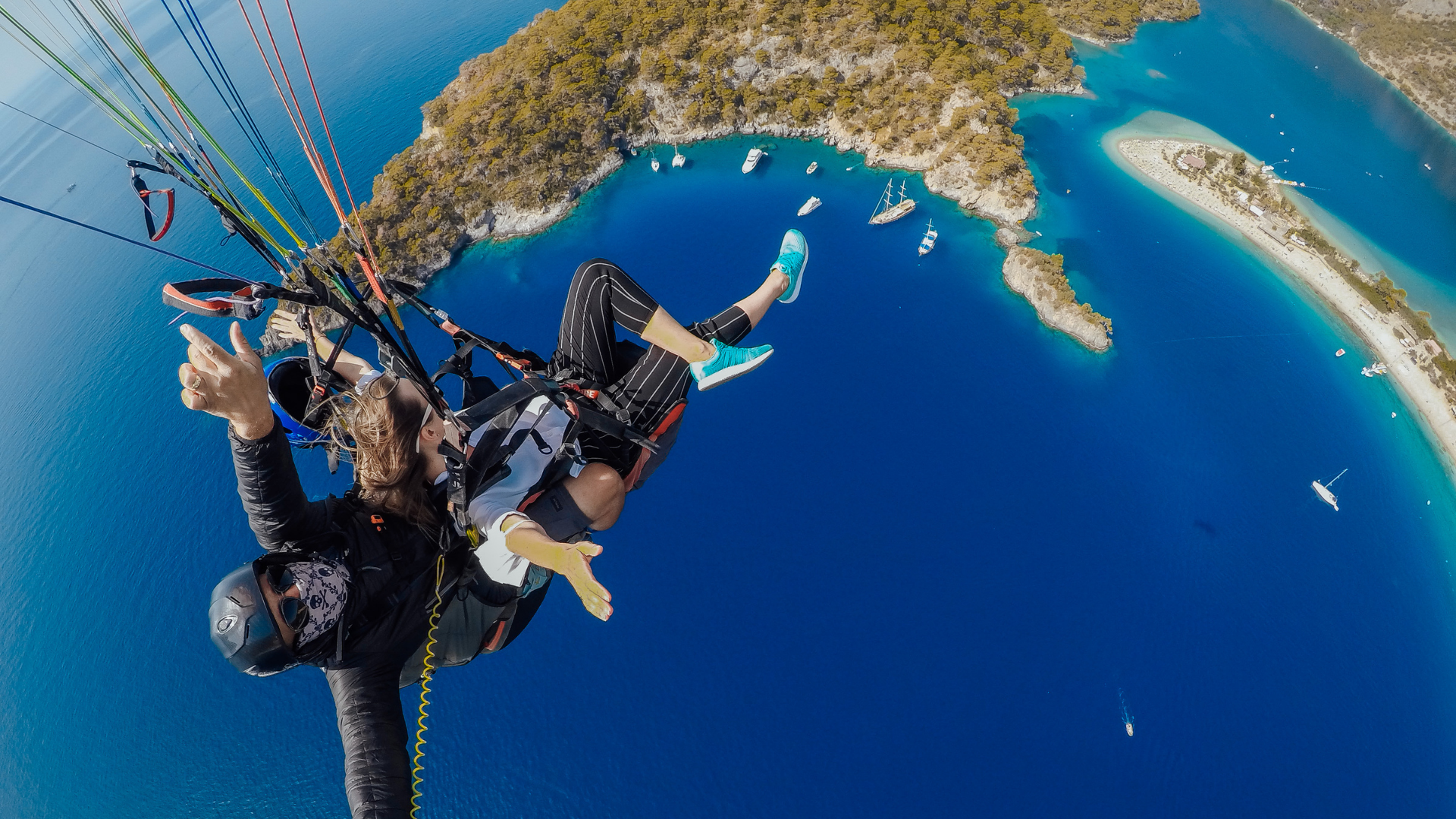
THE BALKANS: EUROPE`S QUIET ADVENTURE LABORATORY
The Western Balkans, especially Albania, offer some of Europe’s most exciting potential for adventure tourism. The region’s landscapes include dramatic alpine terrain, river canyons, remote valleys, and extensive hiking routes. The Peaks of the Balkans trail, which crosses Albania, Montenegro, and Kosovo, is gaining global recognition for its authentic village-to-village trekking experience. Albania has become a rising star due to its combination of affordability, natural diversity, and increasing air connectivity.
These destinations appeal to travelers seeking new European experiences without the crowds. For developers and operators, the Balkans offer a rare combination of low operational cost, high scenic value, and strong organic demand. There is significant opportunity for responsible development of hiking networks, climbing routes, canyoning circuits, small adventure lodges, and nature-based experience clusters. The key is to maintain the region’s sense of discovery while elevating safety, quality, and sustainability.
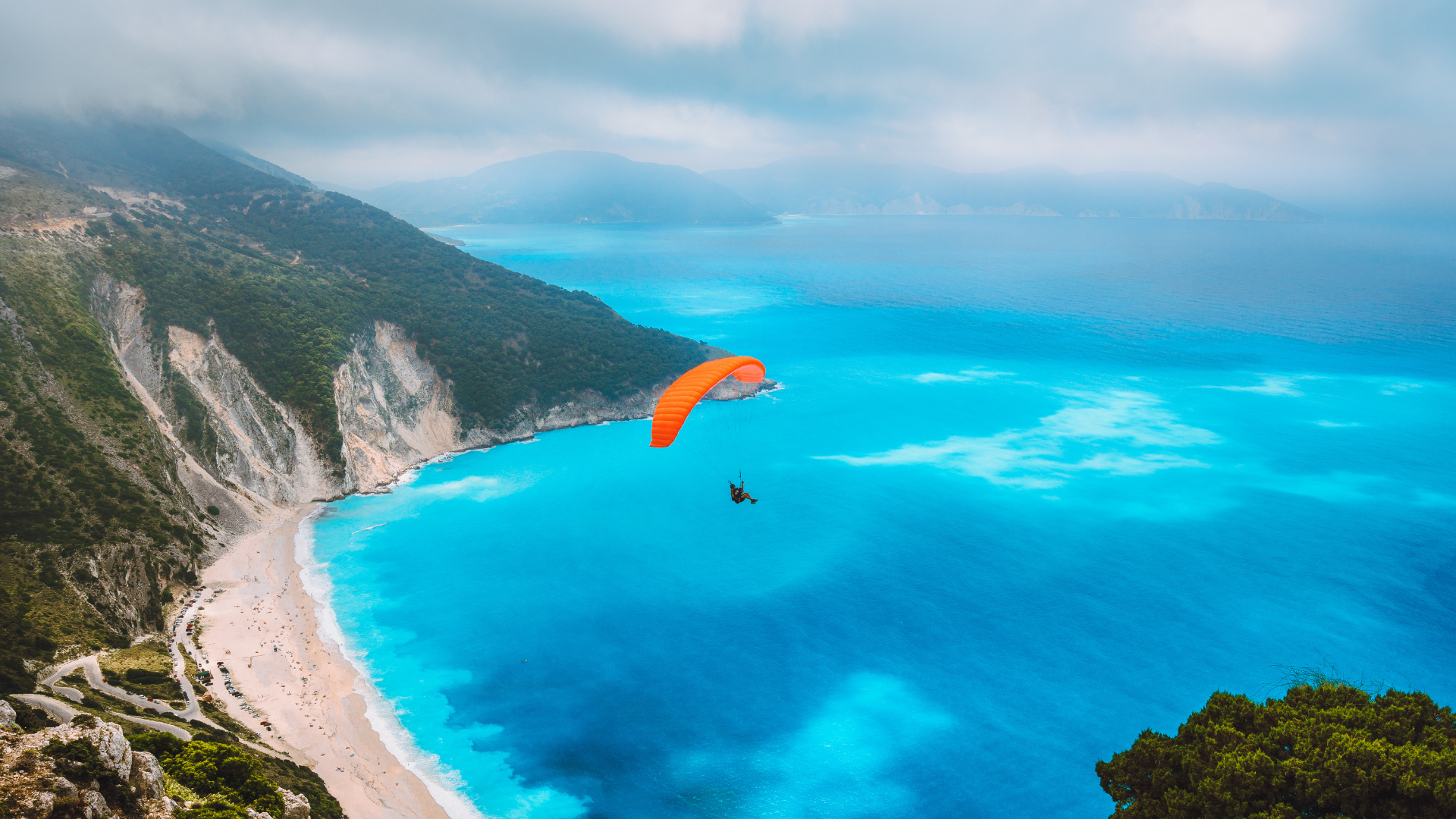
CENTRAL ASIA: MOUNTAINS, CULTURE AND UNTAPPED POTENTIAL
Central Asia remains one of the world’s most underdeveloped adventure frontiers. Countries like Kyrgyzstan and Uzbekistan offer extraordinary mountain landscapes, deep cultural heritage, and relatively low visitor volumes. Government and development agencies in Kyrgyzstan identify adventure tourism as a priority sector, especially in the Pamir and Alay mountain regions, where trekking, yurt-based tourism, and multi-day nature experiences are gaining momentum.
Uzbekistan is also rising quickly, driven by investment in tourism infrastructure and its rich Silk Road history. While most growth is currently cultural, there is substantial potential for desert trekking, mountain trails, and long-distance cycling routes that connect heritage cities with remote landscapes.
Central Asia offers large-scale nature assets, strong government interest in tourism growth, and relatively affordable operating environments. The opportunity lies in introducing modern safety standards, structured experience design, and robust operational frameworks that meet the expectations of international adventure travelers.
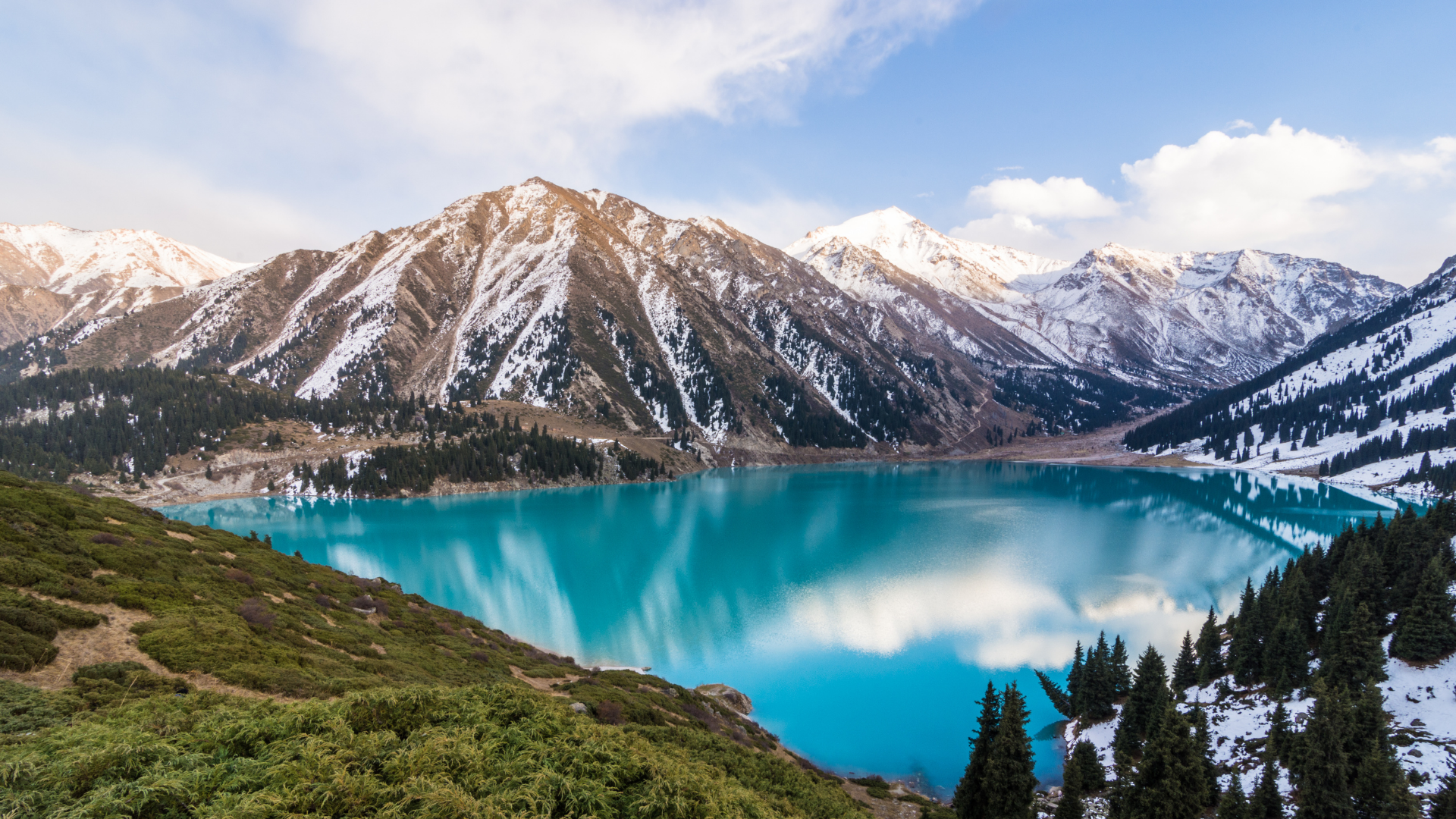
EAST AFRICA: HIGH-VALUE, CONSERVATION-LED ADVENTURE
East Africa is redefining its tourism narrative through conservation-driven adventure experiences. Rwanda is a standout example. Nature-based tourism generates most of the country’s tourism revenue, driven by its carefully managed gorilla trekking program. Gorilla permits are priced at a premium to fund protected areas and community development, establishing a global model where adventure directly supports conservation.
The region is also diversifying its adventure offerings. Rwanda and Tanzania are developing new trekking routes, cycling circuits, canopy experiences, and lake-based adventure opportunities. Tanzania’s tourism sector continues to grow steadily, with strong performance in both nature and adventure categories. Mount Kilimanjaro remains one of the world’s most iconic adventure challenges, and demand continues to expand.
East Africa’s opportunity zones revolve around high-value, low-volume adventure supported by strong environmental management. Investors must operate with sensitivity to conservation requirements, community partnerships, and long-term ecological balance.
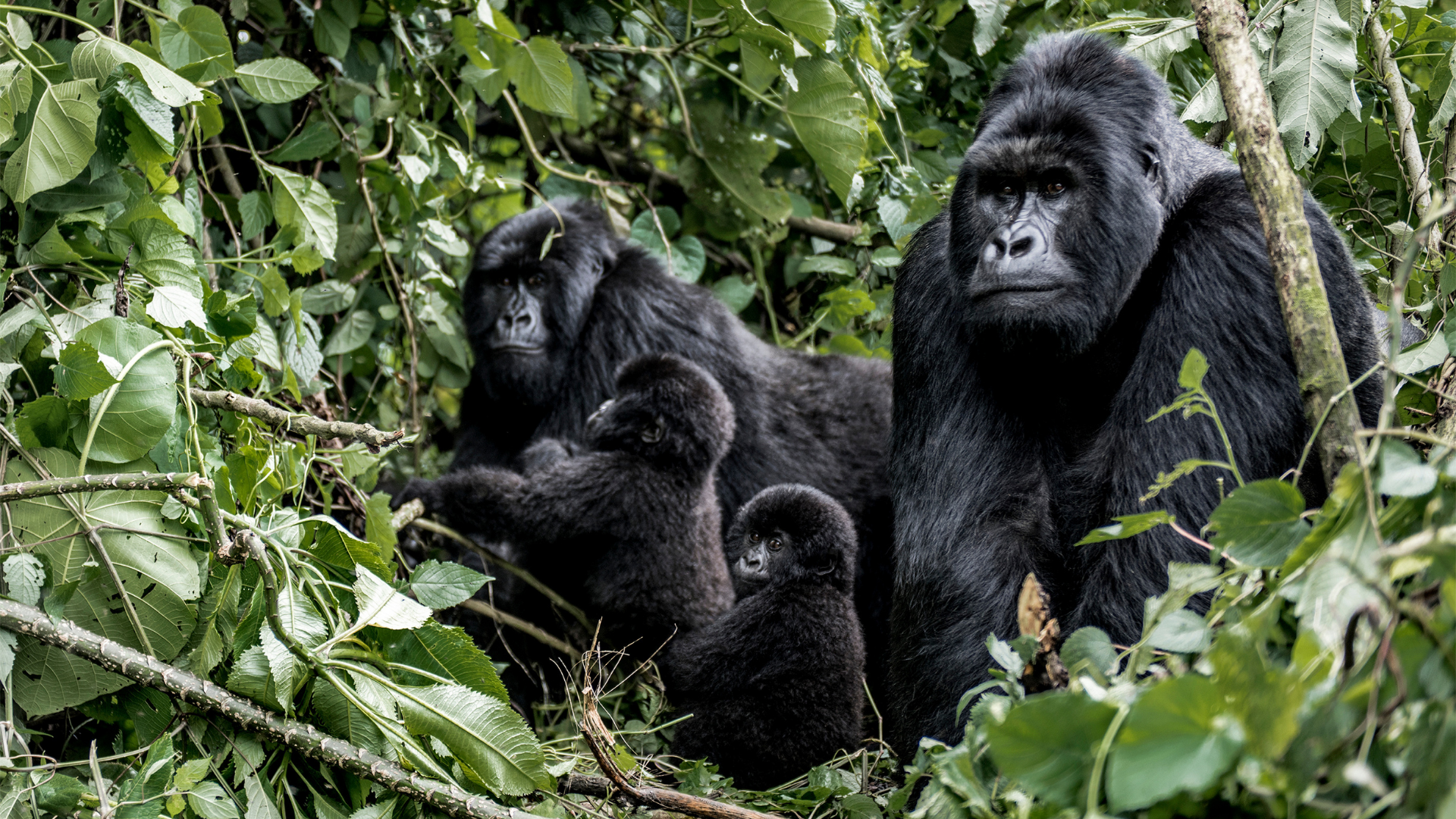
SURF AND RESURGENCE:EL SALVADOR`S RAPID REBRAND
El Salvador has emerged as an unexpected surf and adventure hotspot. Over the past few years, improved security conditions, infrastructure investment, and the government’s Surf City program have significantly raised the country’s profile. Visitor numbers climbed sharply as travelers discovered the country’s Pacific coastline, volcanic landscapes, and national parks.
However, the country also illustrates the importance of holistic evaluation. While tourism is growing, El Salvador’s internal security policies have drawn criticism from international rights groups. For adventure tourism brands, this means balancing market opportunity with reputational risk and ensuring that any involvement aligns with ethical and long-term sustainable practices.
El Salvador’s case demonstrates that strong demand growth alone does not define an opportunity zone. Governance, community wellbeing, and brand alignment must also be considered.

OMAN: THE GCC`S UNDEREXPLORED ADVENTURE FRONTIER
Oman represents one of the most compelling opportunity zones in the Middle East. It combines dramatic natural diversity with a tourism strategy that prioritizes sustainability, culture, and nature-based experiences. From the Hajar Mountains to deep wadis, sandstone canyons, expansive deserts, and pristine coastlines, Oman’s landscapes lend themselves to hiking, climbing, canyoning, caving, and remote-lodge adventure products.
The country’s national tourism vision sets ambitious targets for 2040, including major growth in nature and adventure tourism. Recent economic and tourism analyses highlight strong interest from SMEs developing eco-lodges, mountain camps, and integrated outdoor experiences.
For Gulf-based operators and investors, Oman offers proximity, stability, and a strong fit with adventure trends. The opportunity lies in designing modular, climate-smart adventure experiences that align with seasonal patterns and complement other GCC destinations.
SAUDI ARABIA`S SECONDARY ADVENTURE ZONES
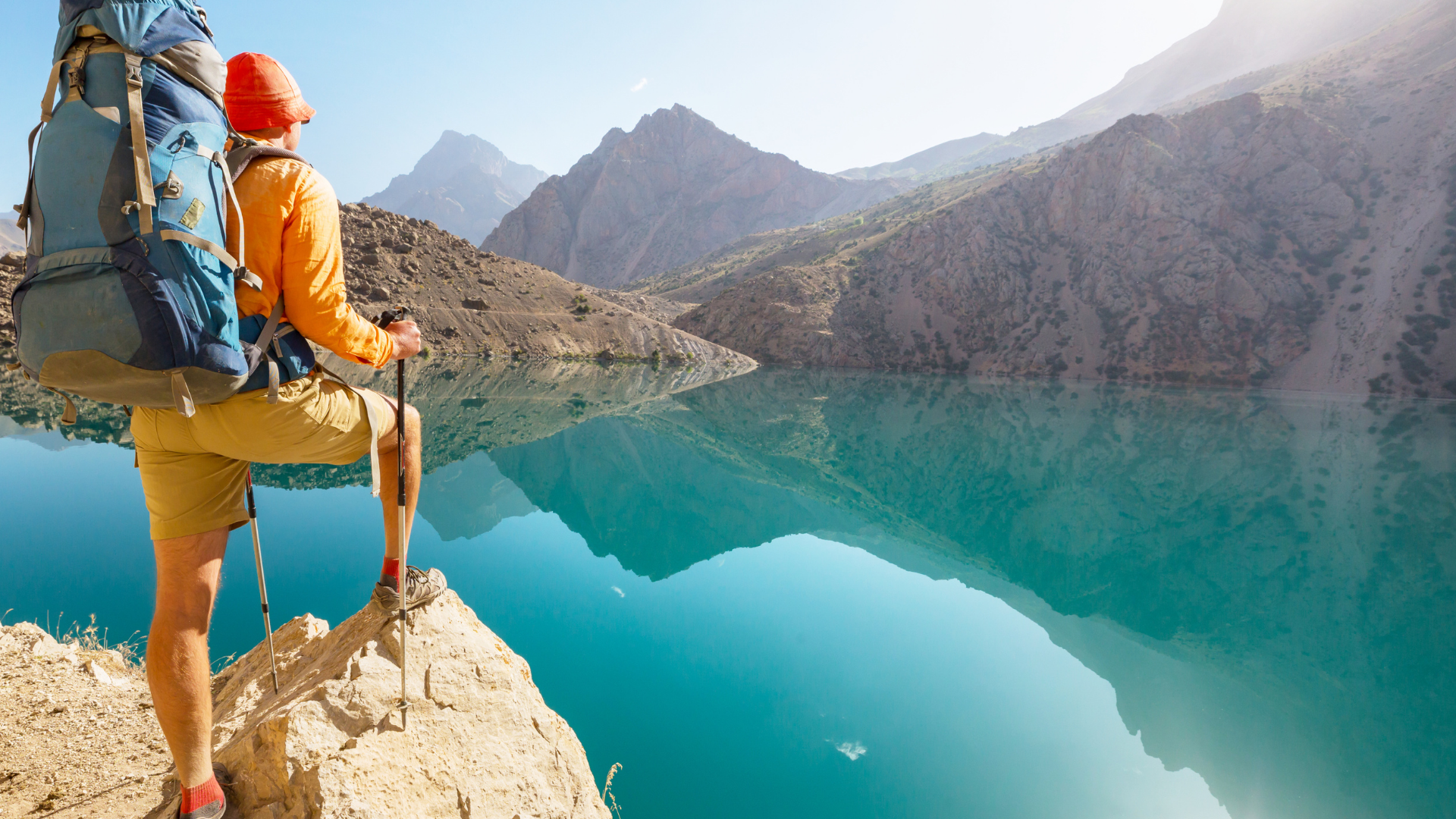
Saudi Arabia is undergoing one of the most significant tourism transformations in the world. Major developments such as The Red Sea destination, Amaala, and the Trojena mountain project in NEOM are establishing entirely new categories of high-end nature, wellness, and adventure travel.
While headline mega-projects capture global attention, Saudi Arabia’s lesser-known landscapes represent some of the Kingdom’s most powerful untapped opportunities. Beyond the flagship destinations lie vast forested mountains, dramatic desert canyons, and cool-climate plateaus – regions that are only now beginning to open to visitors. These secondary zones hold immense potential for scalable, high-impact adventure infrastructure that can diversify the national portfolio and reduce pressure on marquee sites.
Aseer offers rare biodiversity, cloud forests, and high-altitude viewpoints – ideal for mountain biking, paragliding, trekking circuits, zipline networks, and canyon exploration.
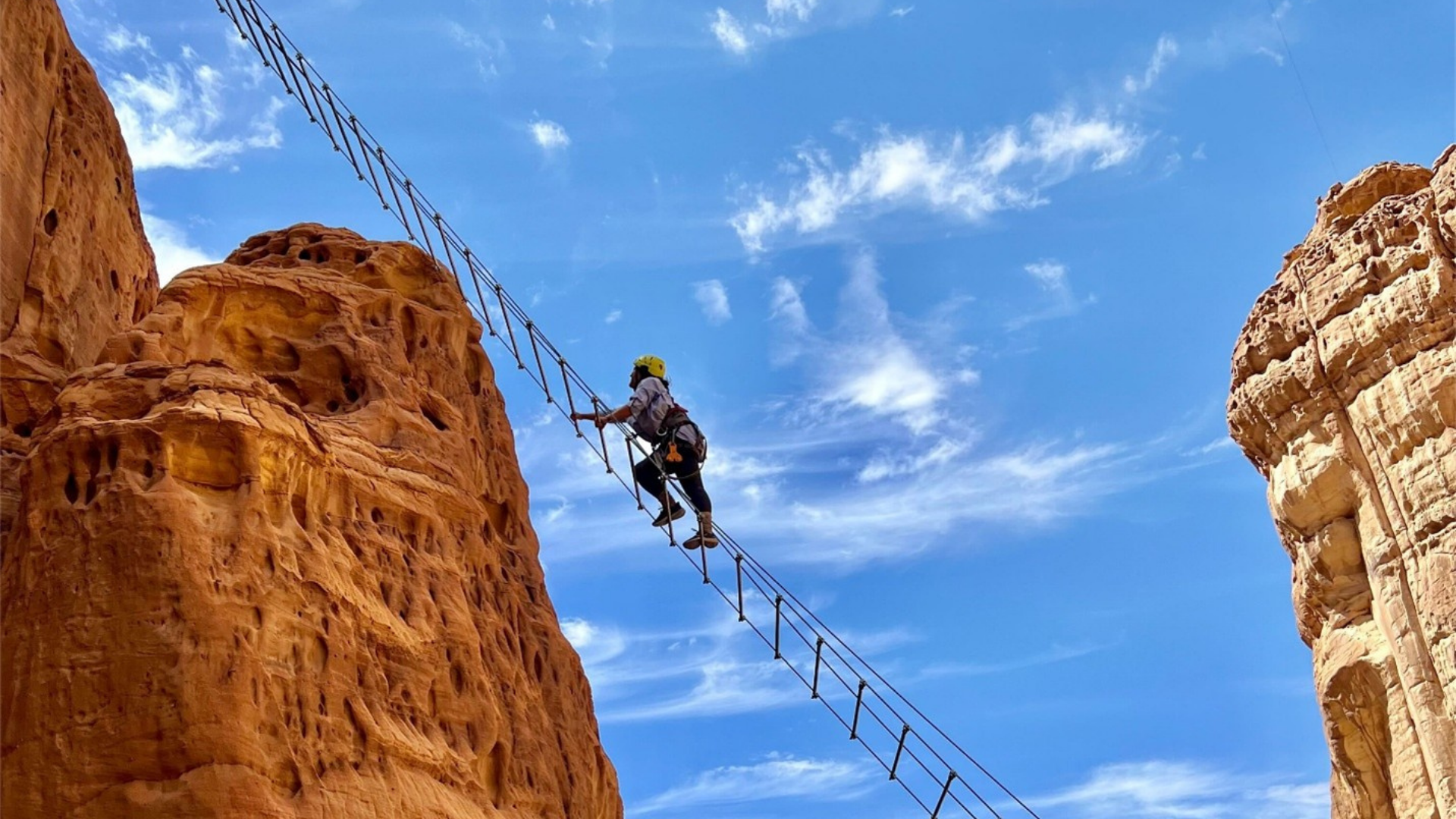
Al Baha, known for its cool temperatures and dramatic escarpments, is perfectly suited for shaded hiking routes, via ferrata lines, adventure parks built into forested valleys, and multi-day nature trails.
Taif, with its elevated plateau, rugged wadis, and seasonal agricultural landscapes, provides strong potential for trail running, horse trekking, climbing crags, and adventure-agriculture experiences that pair outdoor activity with cultural immersion.
Together, these regions form a new layer of the Kingdom’s adventure map – diverse, high-potential, and ready for thoughtful development that expands capacity while celebrating the unique character of each landscape.
With strong government support, record-breaking tourism growth, and clear national strategies, Saudi Arabia will continue to be a major opportunity zone for operators with the expertise to build safe, high-quality adventure experiences in challenging environments.
HOW TO IDENTIFY TRUE ADVENTURE ZONE
Not every fast-growing market is a suitable candidate for next-gen adventure development. The strongest opportunity zones are those where several factors align:
- Clear and sustained growth in tourism demand
- Government strategies that explicitly support nature-based or adventure tourism
- Improving infrastructure and accessibility
- Commitment to adopting international safety and operational standards
- Environmental sensitivity and community relevance
- Stability, favorable perception, and manageable reputational risk
When these elements converge, a destination becomes a viable long-term environment for responsible adventure tourism development.
WARRIOR GROUP IN THE GLOBAL OPPORTUNITY LANDSCAPE
Emerging markets and hidden gems offer extraordinary potential, but they also require careful planning, robust operational systems, and a deep understanding of environmental and cultural context. Warrior Group brings extensive experience in designing, operating, and integrating adventure infrastructure in demanding environments. This includes:
- Technical expertise in adventure design, construction, and operations
- A safety-first approach aligned with global standards
- Capability to integrate adventure, culture, hospitality, and sustainability
- Experience building products that match government strategies and destination narratives
As adventure demands reshaping the map, Warrior Group continues to support destinations in creating experiences that are safe, purposeful, and built for long-term impact.