
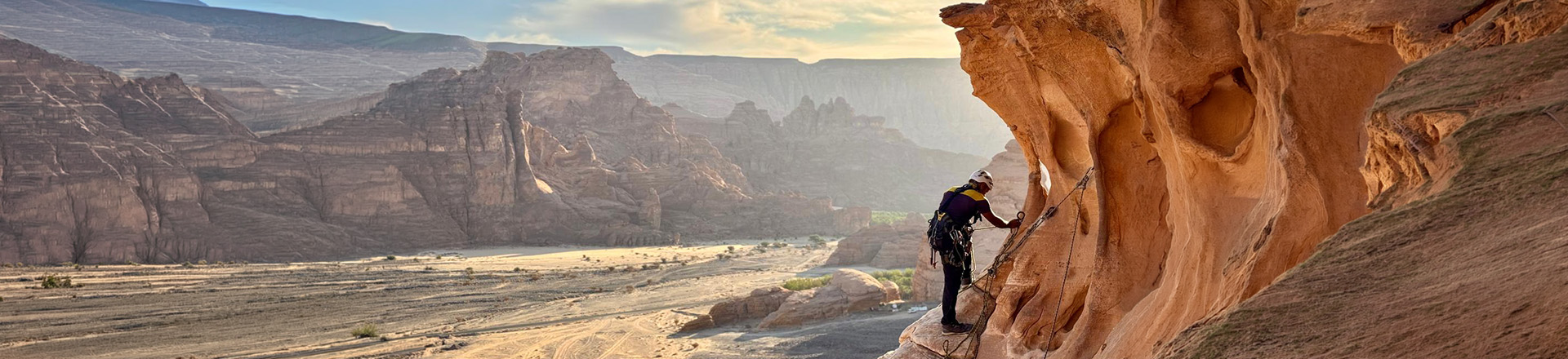
Global tourism has entered its post-passive era. The affluent, experience-led traveller who now drives premium leisure spending is no longer satisfied with viewing nature from a resort balcony. This segment expects active immersion in the landscape, verifiable environmental credentials from the operator, and a level of design sophistication that matches any high-end urban destination. For hospitality investors and real estate developers, this shift has repositioned eco-tourism destination development from a niche interest into one of the most commercially attractive segments in the global leisure market.
The core commercial insight is that green tourism sites unlock land that would otherwise be inaccessible to conventional hospitality development. Mountainous terrain, wadis, coastal reserves, and desert margins can all be activated at commercial scale through carefully engineered adventure attractions, with capital profiles that are typically lower per available room than a comparable luxury resort build. The commercial upside is significant, but the execution risk is equally significant. A poorly designed intervention in a sensitive ecosystem can permanently damage both the natural asset and the brand equity of the developer.
This article sets out the engineering, design, and construction principles that allow developers to integrate high-yield adventure attractions into eco-tourism destinations without compromising the ecological integrity that gives those destinations their commercial value in the first place.
THE ROLE OF SUSTAINABLE ADVENTURE PARK DESIGN IN CONSERVATION
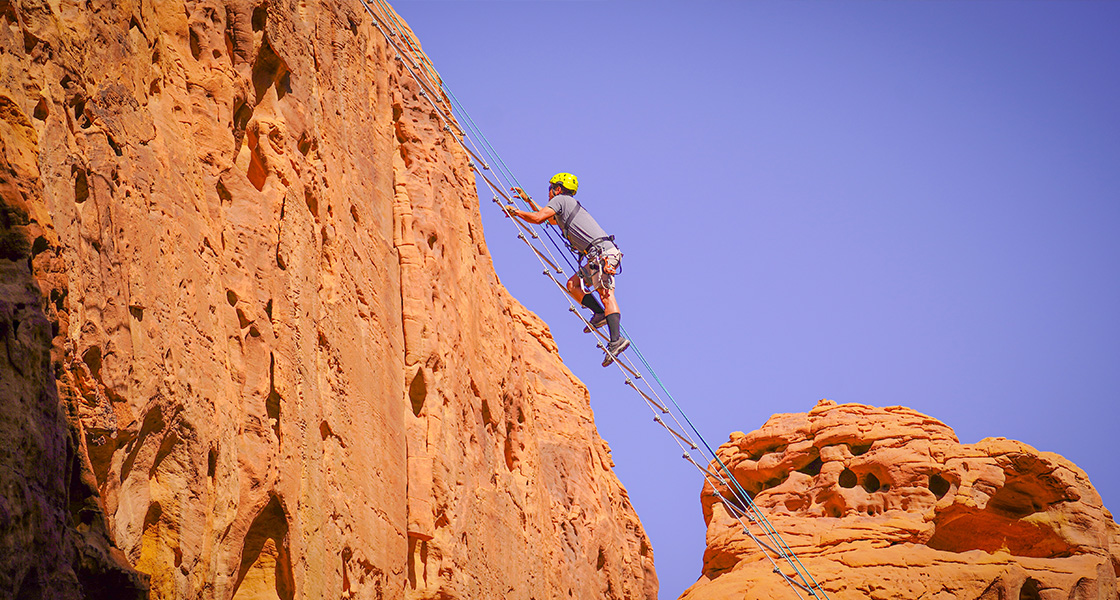
Sustainable adventure park design’s defining principle is that the physical footprint of the attraction should approach zero permanent alteration of the host ecosystem. This is achievable, but it requires design choices to be made early and defended throughout the construction process.
The most technically demanding decision concerns tree-mounted attractions. Canopy walks, aerial courses, and treetop platforms have historically been anchored by drilling directly into host trees, which introduces pathogens, weakens structural integrity, and shortens the tree’s lifespan. Modern non-invasive systems replace this approach with adjustable compression collars, floating platform designs, and cable-tensioned anchor rings that transfer load through friction and pressure distribution rather than penetration. Properly specified, these systems accommodate the natural growth of the host tree over the operating window of the attraction without maintenance-driven redesign.
The second principle is site survey depth. A commercial-grade environmental impact assessment for an adventure attraction must go beyond generic biodiversity mapping. It should catalogue individual tree health, root protection zones, seasonal migration corridors for local fauna, hydrological patterns during wadi flood events, and soil compaction risk during construction. This intelligence then feeds directly into the master plan, dictating where platforms can be located, which construction access routes are permissible, and which seasons of the year are available for the build programme.
The third principle is reversibility. A genuinely sustainable adventure attraction can be decommissioned at end of life without permanent trace. Foundations should use ground-screw anchoring rather than concrete pours wherever geologically viable. Timber elements should be mechanically fixed rather than adhesive-bonded, so they can be removed and recycled. This end-of-life planning increasingly features in institutional ESG due diligence, and its absence can block financing for large-scale eco-tourism projects.
GREEN BUILDING STANDARDS FOR ADVENTURE PARKS
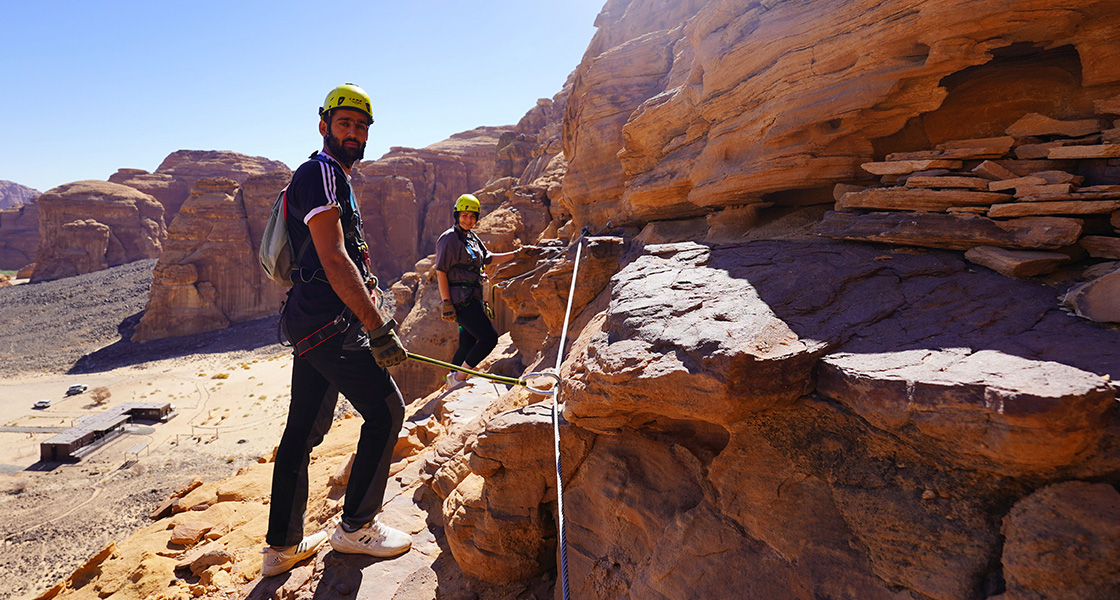
Green building standards for adventure parks are still an evolving field, but the sophisticated end of the market has coalesced around a clear set of specification benchmarks. These are directly relevant to developers pursuing Estidama Pearl Rating in the UAE, or Mostadam certification in Saudi Arabia.
Materials specification is the first pillar. Structural timber should be certified to Forest Stewardship Council chain-of-custody standards. Steel should be sourced with meaningful recycled content across the structural sections. Concrete, where genuinely unavoidable, should specify supplementary cementitious materials such as ground granulated blast-furnace slag to reduce embodied carbon substantially versus standard Portland cement mixes. On a mid-sized adventure park build, these material choices can reduce total embodied carbon significantly without affecting structural performance or visual quality.
Energy specification is the second pillar. Adventure parks are naturally suited to renewable energy integration because their loads are moderate and their daytime operating window aligns with solar generation. Photovoltaic canopies over parking and rest areas can supply a substantial share of operational power. Solar-powered LED lighting supports evening operating models without extending grid infrastructure into remote zones of the site. Gravity-fed water systems can service handwashing and irrigation without pumping loads.
Waste and water specification is the third pillar. Grey water recycling for landscape irrigation, composting facilities for organic waste from food and beverage operations, and single-use plastic elimination across the retail estate are now table-stakes for premium eco-tourism positioning. The commercial argument is direct. Guests who select eco-tourism destinations are demonstrably willing to pay a meaningful premium on comparable accommodation and experiences, but only where the environmental credentials are visible, verified, and consistently applied across every guest touchpoint.
ENGINEERING FOR THE REGIONAL GREEN ENVIRONMENT
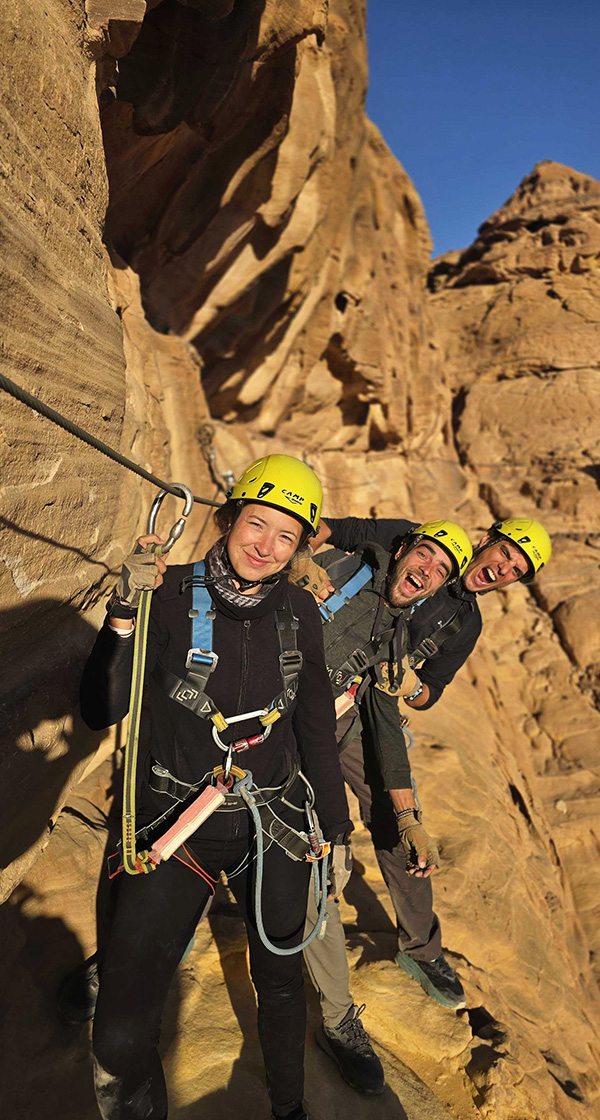
The Middle East presents a distinctive set of engineering conditions for sustainable adventure development. Mountain sites in the Hajar range and the Sarawat mountains combine steep gradients, seasonal flood risk in the wadis, and dramatic day-night thermal cycling. Coastal mangrove and desert-margin sites present salt corrosion, sand abrasion, and, in some locations, protected species considerations that constrain construction methodology.
For mountain eco-tourism sites, the anchoring strategy must accommodate the region’s specific geological profile. Post-tensioned rock anchors drilled into competent bedrock deliver the load capacity required for cliffside ziplines and via ferrata routes. Helicopter-supported material delivery removes the need for permanent access roads into sensitive terrain, preserving both the ecology and the visual integrity of the landscape. These techniques carry higher unit costs during construction, but they preserve the commercial value of the natural asset, which is the entire basis of the destination’s pricing power.
For desert-margin and oasis sites, the design priority is water. Every attraction should be planned around minimal net water consumption from the local aquifer, with atmospheric water generation, rainwater harvesting, and treated grey water reuse combining to service operational demand. In coastal and mangrove sites, elevated boardwalk systems and pile-mounted platforms allow visitor circulation without root disturbance, and construction is sequenced around seasonal breeding and nesting cycles.
COMMERCIAL OUTCOMES AND MARKET POSITIONING
A well-executed sustainable adventure attraction functions as a category-defining asset in its regional market. Length of stay at eco-tourism destinations that offer active adventure programming is consistently higher than at passive nature retreats, driving materially higher revenue per available room. Repeat visitation rates are strong because the destination becomes a genuine multi-visit product rather than a single-viewing experience.
The brand effect compounds. Sustainable adventure destinations attract disproportionate coverage in the specialist travel press, drive high-engagement social media content organically, and consistently outperform their marketing spend benchmarks on customer acquisition. For developers building portfolio value, the equity story of an environmentally credible, commercially proven adventure asset is significantly stronger than that of a comparable conventional resort.
PARTNER WITH THE LEADERS IN SUSTAINABLE ADVENTURE DEVELOPMENT
Delivering a sustainable adventure attraction at commercial scale requires an integrated capability set. It combines ecological expertise, structural engineering in demanding environments, mastery of low-impact construction methodology, and deep familiarity with the certification frameworks that give the finished asset its market credibility. Few contractors in the region can deliver across all of these disciplines under a single project team.
The Warrior Group has spent more than three decades building adventure destinations across the Middle East and Europe, and our design and construction division specialises in the low-impact, high-yield category. Our project teams integrate environmental consultants, structural engineers, safety specialists, and operational planners from the earliest feasibility phase, so that sustainability is engineered into the asset rather than retrofitted onto it.
Contact The Warrior Group’s Design and Construction Division to discuss your eco-tourism master plan, site feasibility, or sustainability strategy, and to explore how we can help you build a destination that delivers premium returns and lasting environmental value.
www.thewarriorgrp.com