
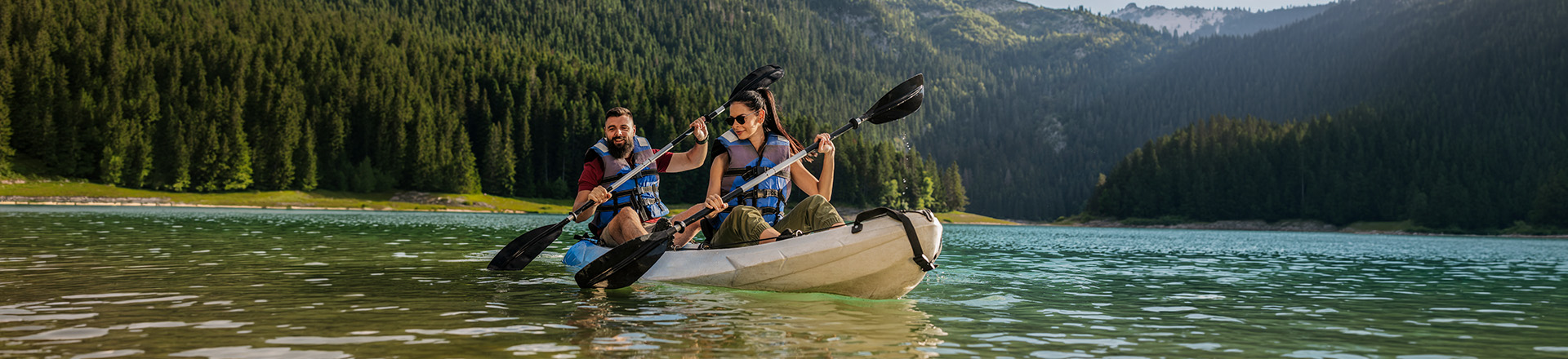
Something is changing in the way the world travels.
Not long ago, the idea of a “perfect holiday” looked the same for most people: a beach lounger, a cocktail, and two weeks of deliberate nothingness. That template worked, for a while. But across the globe, a measurable, unstoppable shift is underway. Travellers are abandoning passive itineraries in favour of experiences that challenge, transform, and leave a lasting mark.
Adventure travel vs traditional holidays is no longer a niche conversation. It is the defining debate of modern tourism. The numbers support it. The psychology explains it, and the destinations enabling it, including those developed by Warrior Group across the Middle East, Europe, and beyond, are rapidly becoming the most sought-after places on earth.
This article explores why millions of travellers are trading the ordinary for the extraordinary, and what that shift means for you.
THE RISE OF ADVENTURE TRAVEL: BY THE NUMBERS
ADVENTURE TRAVEL VS TRADITIONAL HOLIDAYS: A SIDE-BY-SIDE VIEW
The global adventure tourism market was valued at approximately USD 288 billion in 2021 and is projected to reach USD 1.169 trillion by 2028, growing at a compound annual rate of around 17.4% (Allied Market Research). Even through the disruption of the pandemic years, the sector demonstrated remarkable resilience, and when restrictions lifted, demand surged with a pent-up intensity that surprised even industry insiders.
What’s driving this? A combination of generational values, shifting wellness priorities, and a fundamental rethinking of what travel is actually for.
It’s also worth clarifying a misconception: adventure travel is not a single, extreme category. The industry broadly divides into two segments:
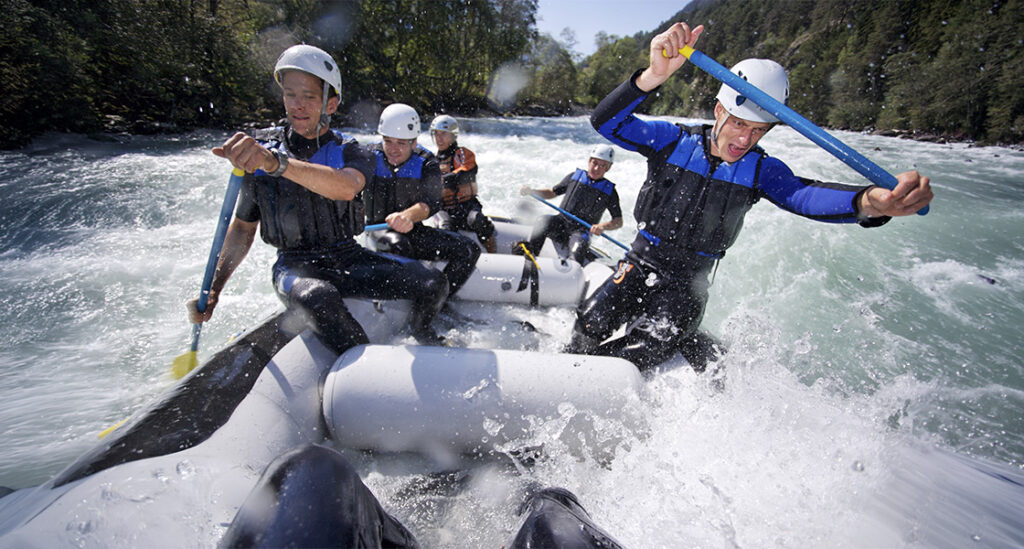
- Hard adventure: high-risk, high-skill activities such as mountaineering, whitewater rafting, and technical climbing.
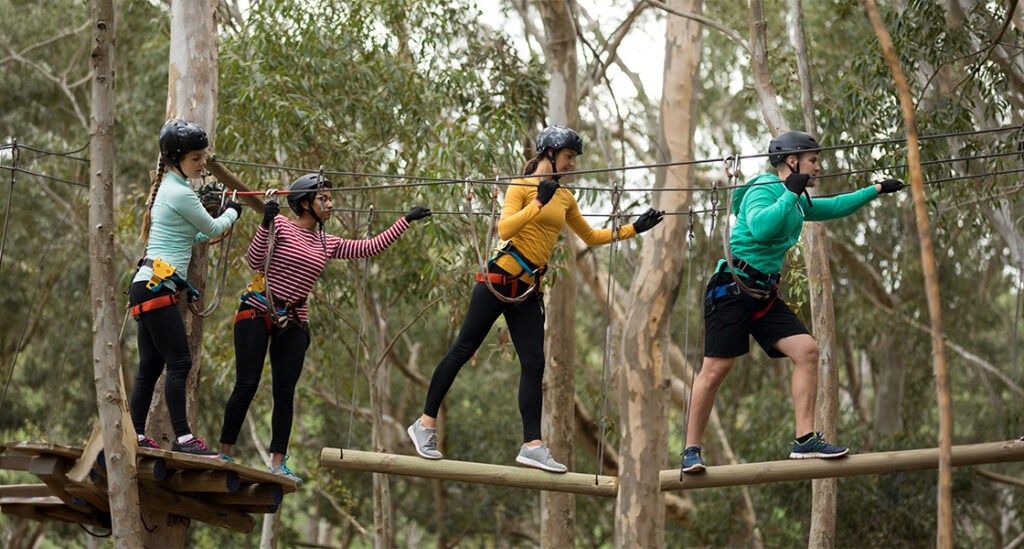
- Soft adventure: accessible, lower-risk experiences like hiking, cultural immersion, wildlife safaris, zip-lining, and guided treks. This segment represents the majority of the market and is growing fastest.
The experiential travel trends shaping both segments point in the same direction: travellers want to do something, feel something, and become something through their journeys.
ADVENTURE TRAVEL VS TRADITIONAL HOLIDAYS: A SIDE-BY-SIDE VIEW
Category | Adventure Travel | Traditional Holidays |
Experience Type | Active, immersive, participatory | Passive, resort-based, recreational |
Personal Growth | High; challenges comfort zones and builds resilience | Low; designed for relaxation and escape |
Cultural Connection | Deep; often involves local guides, communities, and heritage | Surface-level; typically tourist-facing environments |
Physical Activity | Central to the experience | Incidental or optional |
Memory Retention | Episodic, vivid, long-lasting | Often fades within weeks |
Environmental Awareness | Usually embedded in the destination’s ethos | Generally minimal |
Social Value | Increasingly community and conservation-driven | Predominantly consumption-driven |
7 REASONS TRAVELLERS ARE SHIFTING AWAY FROM ORDINARY HOLIDAYS
- Authenticity
- Personal Growth
- Health and Wellness
- Meaningful Memories
- Social Consciousness
- Digital Detox
- Better Value and ROI
WHO IS ADVENTURE TRAVEL REALLY FOR?

The single greatest misconception about adventure travel is that it is the exclusive domain of the young, the fit, and the fearless. This is flatly untrue, and it is a myth worth dismantling with some urgency.
Adventure tourism is one of the most scalable sectors in the travel industry precisely because it operates across an enormous spectrum of intensity, accessibility, and physical demand. It is not a single activity. It is a philosophy of engagement, one that is available to virtually everyone.
Adventure Options by Fitness Level:
- Guided nature walks and forest trails
- Kayaking or paddleboarding in calm waters
- Wildlife safaris (drive-based or walking in managed reserves)
- Cultural trekking and village immersion experiences
- Snorkelling in protected marine areas
- Multi-day hiking with overnight camping
- Mountain biking on beginner-to-intermediate trails
- Via ferrata routes (assisted rock climbing with fixed cables)
- White-water rafting on Grade II–III rivers
- Stand-up paddleboarding in open coastal water
- Technical mountaineering and alpine ascents
- Endurance trail running and ultra-distance events
- High-grade white-water kayaking and rafting
- Rock climbing and bouldering (outdoor, advanced routes)
- Desert ultra-marathons and multi-day expedition racing
THE PSYCHOLOGY BEHIND THE SHIFT
To understand why adventure travel is growing so rapidly, it helps to understand a concept from positive psychology: hedonic adaptation.
Hedonic adaptation describes the human tendency to return to a baseline level of satisfaction after any new experience or acquisition. In practical terms, it means that the pleasure of passive relaxation (the beach, the pool, the familiar resort) diminishes quickly. After several repetitions, the same holiday produces progressively less enjoyment. We adapt. We stop feeling it.
Adventure, by contrast, resists adaptation. Novel environments, unpredictable challenges, and emotionally resonant experiences engage the brain differently. They require presence, focus, and active response. They produce what psychologist Mihaly Csikszentmihalyi described as “flow,” a state of full immersion in an activity where time distorts and self-consciousness dissolves.
This is the deeper truth behind the experiential travel trend: the modern traveller is not simply bored with traditional holidays. They are psychologically under-stimulated by them. The shift toward adventure is, at its core, the pursuit of aliveness and of experiences that remind us we are fully, vividly here.
HOW TO TRANSITION TO ADVENTURE TRAVEL
For those ready to make the move, the leap from traditional to transformative travel does not need to be dramatic. Start with intention, not intensity.
First-Timer's Adventure Travel Checklist:
- Define your comfort zone: Identify what genuinely excites vs. intimidates you. Start at the edge of the former.
- Choose a reputable operator: Look for certified guides, safety records, and sustainable practice commitments.
- Start with soft adventure: A guided multi-day hike, a cultural immersion trek, or a beginner kayak tour is the ideal entry point.
- Invest in proper gear: You don’t need to own everything, but footwear, layering, and sun protection are non-negotiable.
- Prepare physically: Even light conditioning (daily walks, flexibility training) meaningfully improves your experience.
- Travel with intent: Research the environment, culture, and ecosystem you will enter. Knowledge deepens the experience.
- Build in recovery time: Don’t try to replicate your traditional holiday pace. Adventure travel is not passive; give your body and mind time to absorb it.
- Document thoughtfully: Keep a journal. Photographs capture what happened; writing captures what it meant.
- Debrief the experience: After you return, identify what shifted. That awareness is the foundation for your next journey.
FREQUENTLY ASKED QUESTIONS
Is adventure travel safe for first-timers? Yes, when undertaken with certified operators in well-managed destinations. The majority of the adventure travel market sits in the soft adventure segment, where risk is carefully managed through professional guiding, safety protocols, and well-designed infrastructure. As with any travel, the key is choosing experienced operators with verifiable safety records.
Is adventure travel more expensive than a traditional holiday? Not necessarily. Entry points exist at virtually every price level. Soft adventure experiences such as guided hikes, cultural treks, and kayaking tours are often comparable in cost to a mid-range resort holiday. When you factor in the depth and longevity of the experience, many travellers find the value proposition significantly stronger.
Is adventure travel suitable for families with children? Absolutely. Family adventure travel is one of the fastest-growing segments in the sector. Activities like wildlife safaris, snorkelling, beginner cycling trails, and guided nature experiences are designed to be accessible and engaging for children of all ages. The shared challenge of an adventure experience also tends to produce unusually strong family bonding.
What if I have limited fitness or a medical condition? Reputable adventure operators will conduct pre-trip assessments and tailor recommendations accordingly. Many destinations are designed with accessibility in mind. The range of soft adventure options, from gentle cultural walks to slow kayaking, means that limited fitness is rarely a genuine barrier. Always consult your physician before any physically active travel.
How do I know if an adventure destination is truly sustainable? Look for third-party certifications (such as Travelife or Global Sustainable Tourism Council accreditation), transparent community employment policies, and a conservation mandate embedded in the destination’s design from the ground up, not bolted on as an afterthought. The best adventure destinations are built to protect the very environments that make them worth visiting.
CONCLUSION: TRADE ORDINARY FOR EXTRAORDINARY

The shift away from passive holidays is not a trend in the conventional sense; it is a recalibration of values. Travellers are demanding more: more depth, more connection, more aliveness. They are no longer content to observe the world from behind a resort fence. They want to enter it, engage with it, and be changed by it.
Adventure travel delivers that. It challenges assumptions, builds real confidence, creates memories that outlast the journey, and returns travellers to their lives genuinely different from when they left.
The world’s most extraordinary destinations are not waiting on a static brochure. They are active, breathing, transformative environments designed to meet you exactly where you are and take you somewhere new.
The question is no longer whether adventure travel is for you. The question is: what are you waiting for?
Explore what world-class adventure destination development looks like. Discover Warrior Group’s portfolio of transformative experiences and start planning the journey that changes everything.